

Animal Assisted Interventions/Therapy
Healing takes many forms, and sometimes it begins with the simple connection between a youth and an animal.
For adolescents who have experienced trauma, anxiety, or separation from home, interactions with animals can provide comfort, reduce stress, and help build trust. Through animal-assisted interventions, Camino a Casa incorporates these meaningful connections into the therapeutic experience, supporting emotional well-being and helping young people develop a greater sense of safety and connection.
The Story Behind Our Newfies
Casa Pacifica’s tradition of therapy dogs began in 2005, when Archie, the agency’s first therapy dog, joined the campus. A Newfoundland, or “Newfie,” Archie was chosen for his breed’s gentle temperament and reputation for being especially good with children.
His presence soon became an important part of life at Casa Pacifica. For youth navigating difficult emotions and experiences, Archie offered something special: a comforting, accepting companion. He helped ease anxiety, encouraged participation in social activities, and created opportunities for connection.
Today, that tradition continues with Newfoundlands on campus, providing youth with opportunities for supportive interactions and companionship.
Why Animal-Assisted Therapy Matters
For many young people, the bond they develop with a therapy dog becomes a lasting and meaningful part of their experience. Former clients often return and share memories of how the dogs helped ease their loneliness, offered comfort on difficult days, and gave them something positive to look forward to.
The impact can be profound. One former youth shared that brushing a therapy dog each day helped her stop self-harming. Her experience illustrates how a consistent, comforting connection can become a meaningful source of support during a difficult time.
In residential treatment settings, where personal space and privacy can sometimes be limited, therapy dogs offer something unique: a calming, shared experience that can feel familiar and home-like. Whether grooming a dog, spending quiet time together, or simply enjoying its companionship, youth have an opportunity to connect in a way that doesn’t require words.
When a treatment team determines that animal-assisted therapy would benefit a young person, activities are incorporated into an individualized plan and aligned with that youth’s treatment goals.

Pearl, Casa Pacifica’s on-campus therapy dog
Equine-Assisted Therapy: Finding Connection Through Horses
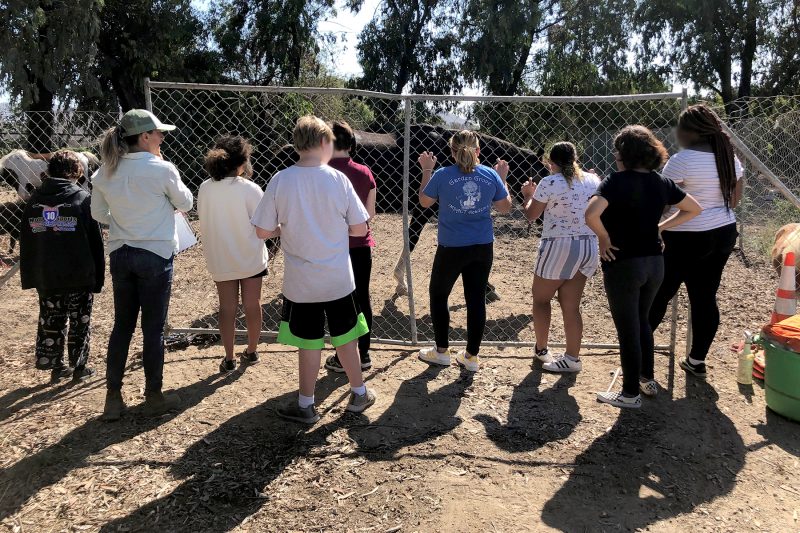
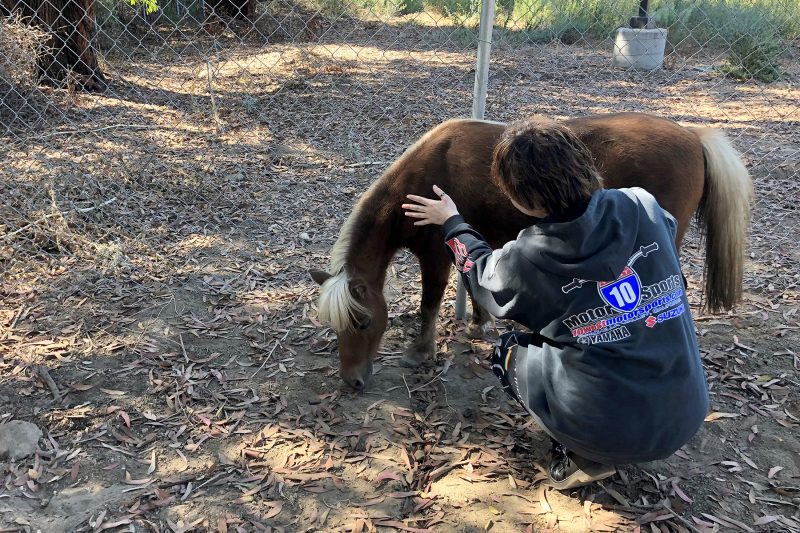
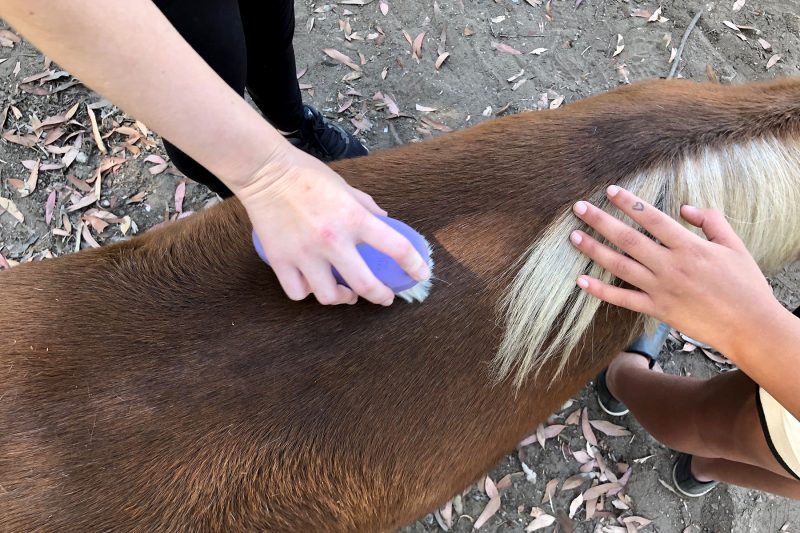
Camino a Casa also partners with Whole Heart Equine Assisted Therapy to offer youth opportunities for growth and self-discovery through interactions with horses.
Horses are remarkably responsive to body language and nonverbal communication. Working alongside them can help young people develop greater self-awareness, recognize behavioral patterns, explore emotions, and practice communication and trust.
Through hands-on experiences, youth have opportunities to build confidence, strengthen connections, and discover new ways of relating to themselves and others.
Meet Corey Cardenas
Corey Cardenas has been a certified EAGALA (Equine Assisted Growth and Learning Association) specialist since 2011. With a lifelong love of horses, Corey brings years of experience and a deep appreciation for the unique connection between horses and people.
As Corey explains, horses are wonderfully present and honest animals. Their sensitivity to body language and subtle cues can help people become more aware of themselves and those around them.
Through her work with horses Gracie, Koa, Sassy, and Magic, Corey helps individuals and groups explore new perspectives, strengthen self-awareness, and discover opportunities for meaningful change.

Corey Cardenas , EAGALA (Equine Assisted Growth and Learning Association) certified equine specialist.